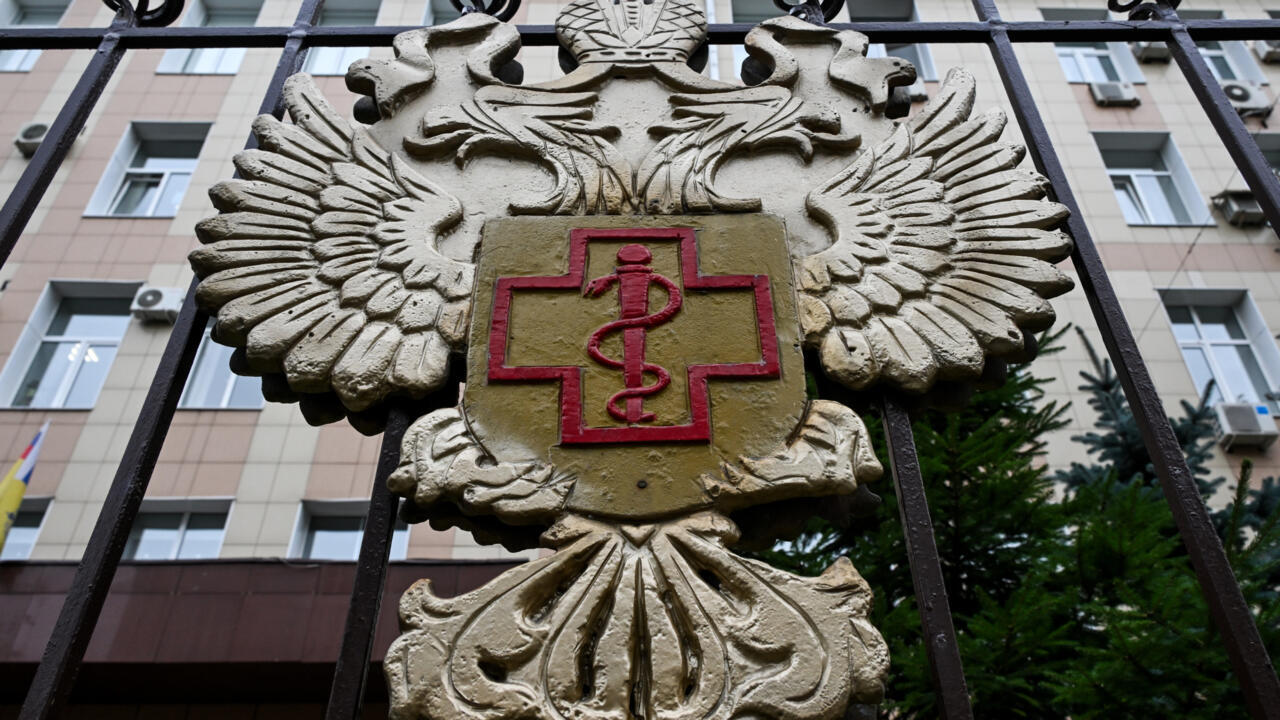
The news of the death has attracted international attention because it involves a laboratory technician associated with an institute specializing in plague research in the Irkutsk area. The available information describes the death as being linked to pneumonia or a similar condition, without establishing what caused it.
U.S. President Donald Trump said he would speak very soon with Russian President Vladimir Putin about the reported death and concerns related to the plague. The available information indicates that a conversation was scheduled or imminent; it is not yet clear whether the call has taken place.
Washington and international organizations have asked Moscow for greater transparency, clarity and additional information about the incident. The World Health Organization has also requested further data from Russia on reports of pneumonia and concerns about the plague.
According to the available accounts, Russian authorities have denied imposing anti-plague measures and have played down reports related to the incident at the institute. This position, by itself, does not prove that no incident occurred, but it indicates an official response different from the concerns expressed abroad.
Pneumonic plague therefore remains a hypothesis. The available reports say that Russian authorities have not confirmed the diagnosis and that the evidence collected does not permit speaking of an outbreak of pneumonic plague in the country.
POLITICO Europe also reported uncertainty surrounding a possible second case of pneumonia. The source does not clarify the identity of the person involved, the diagnosis or the relationship to the laboratory technician’s death.
According to the Times of India, the WHO assessed the risk of spread beyond Russia’s borders as very low. The assessment comes amid a situation in which requests for information remain open, while the diagnosis and any possible outbreak have not been confirmed.