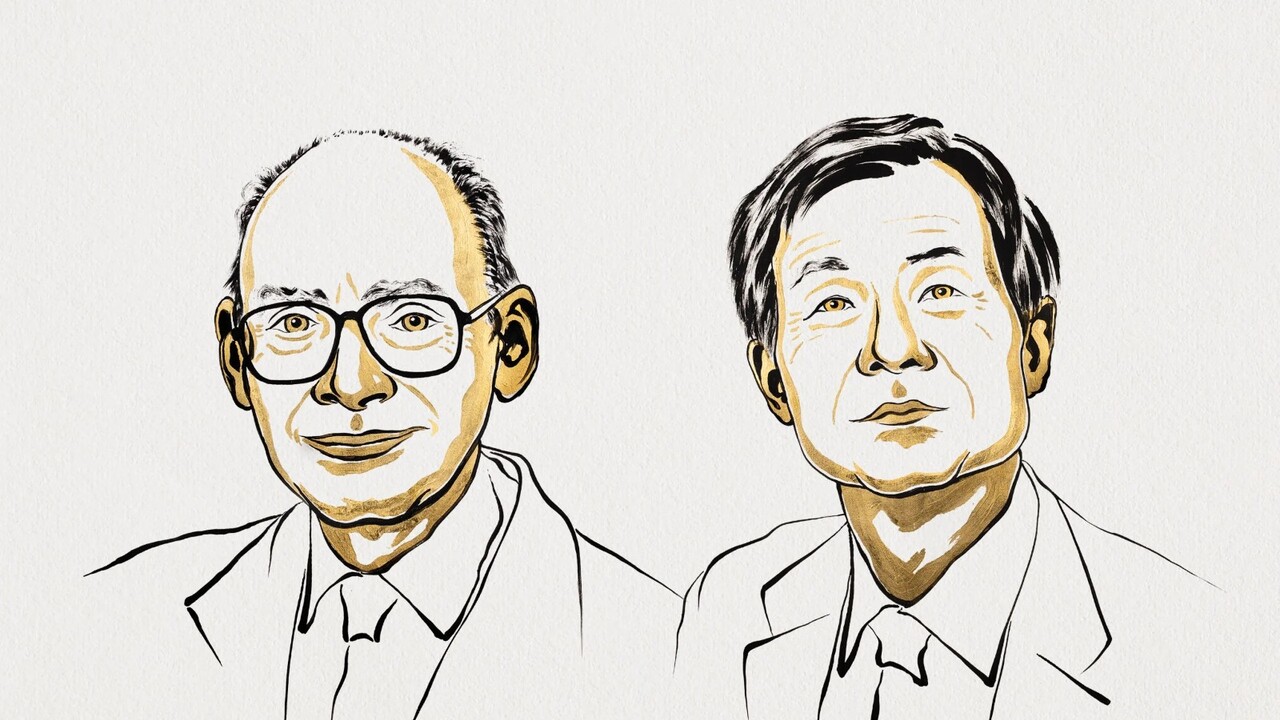
The award recognizes the two researchers’ work on molecules that are mirror images of one another. The subject, described by the sources as a chemical mystery that persisted for more than a century, concerns how these molecular forms are treated in biological systems.
ANSA reports that the award-winning work includes the discovery of the nonlinear effect of autocatalysis in organic synthesis. This is the detail concerning the reaction mechanism explicitly reported by the Italian news agency among the information provided about the award.
The Times of India also links the research to living organisms’ preference for left-handed amino acids over right-handed ones. This biological aspect is reported only by the Indian news outlet among the available sources and is therefore retained with its attribution.
The applications cited by the sources include pharmaceutical manufacturing. Al Jazeera refers to applications in drug production, while the Times of India mentions the use of the desired mirror form in the manufacture of medicines.
The reports therefore agree on the core of the recognition: Kagan and Soai were awarded the prize for research into asymmetric and mirror molecules, linked to a scientific problem described as more than a century old.
The description of the pharmaceutical applications, however, appears in the reports by Al Jazeera and the Times of India; the ANSA summary consulted primarily highlights nonlinear autocatalysis in organic synthesis and the issue of mirror molecules.